Medical Disclaimer: I am a research analyst, not a doctor. This content is for informational purposes only. Always consult a healthcare professional before starting any new supplement regimen.
Affiliate Disclosure: Most links on this blog are affiliate links. If you click and purchase, I may earn a commission at no extra cost to you. This supports my independent research.
WMKORMO’z Energy supplements catalogue.
Welcome to our definitive 2026 Catalogue.
At WMKORMO’z, we analyze the molecular science behind every formula. In 2026, the focus has shifted toward high-bioavailability nutrients. Our research highlights that cellular energy (ATP) and gut microbiome diversity are the most significant factors in long-term wellness.
Whether you are looking for metabolic support, cognitive enhancement, or physical vitality, our 2026 selection has been vetted for purity and performance. We prioritize brands like BiOptimizers and Vital Force because they consistently meet stringent laboratory standards. By focusing on the root causes of fatigue—such as oxidative stress and nutrient malabsorption—the products listed here offer a strategic advantage.
Beyond the Supplement: A 2026 Performance Protocol
In addition to supplementation, we recommend focusing on sleep hygiene and hydration. As we move further into 2026, the integration of targeted probiotics and mineral breakthroughs continues to redefine human performance.
-
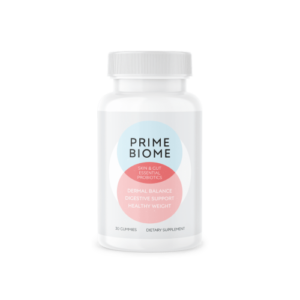
The Gut-Brain Axis: Products like Primebiome represent the cutting edge of nutritional science.
-
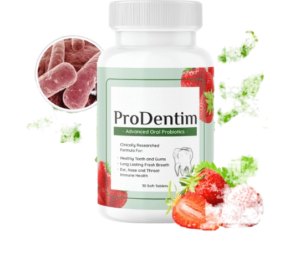
Oral-Gut Synergy: ProDentim is tested against rigorous 2026 market standards.
-
The 90-Day Rule: We encourage you to start with a 90-day protocol to allow your cellular biology to fully adapt to these high-potency ingredients.
Our 2026 goal is to ensure you have the mental clarity and physical stamina to exceed your personal records. When you invest in your health through WMKORMO’z, you are choosing a path of data-backed wellness.

The Definitive 2026 Guide to Natural Vitality
Welcome to our definitive 2026 Catalogue. At WMKORMO’z, we don’t just look at ingredients; we analyze the deep-layer molecular science behind every single formula we recommend. As we move through 2026, the global health focus has shifted decisively toward high-bioavailability nutrients. This means we are no longer interested in just “taking vitamins”—we are focused on how much of that nutrient actually crosses the cellular membrane to do its work.
Our internal research highlights that cellular energy (ATP) production and gut microbiome diversity are the two most significant factors in long-term human wellness. Without a foundation of mitochondrial health and a flourishing internal ecosystem, even the best fitness routines will fall short.
Vetted for Purity and High-Performance Standards
Whether you are looking for metabolic support, cognitive enhancement, or a surge in physical vitality, our 2026 selection has been vetted against the most modern standards for purity and performance. We prioritize brands like BiOptimizers and Vital Force because they consistently meet—and often exceed—stringent laboratory standards that other manufacturers ignore.
By focusing on the true root causes of fatigue—specifically oxidative stress and nutrient malabsorption—the products listed in this catalogue offer a strategic advantage. They are not quick fixes; they are precision tools designed to optimize your daily biological output.
The 2026 Lifestyle: Beyond the Capsule
In addition to targeted supplementation, we strongly recommend a holistic focus on sleep hygiene and cellular hydration. As we move further into 2026, the integration of targeted probiotics and mineral breakthroughs continues to redefine the ceiling of human performance.
The products we have selected for this year represent the absolute cutting edge:
-
ProDentim: Revolutionizing oral-gut health through bacterial repopulation.
-
Primebiome: Mastering the “gut-brain axis” to enhance mental drive and mood.
-
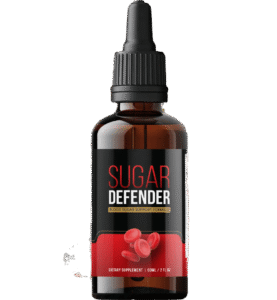
Sugar Defender: Stabilizing metabolic health in a fast-paced world.
We have tested these against the rigorous standards of the 2026 market. This ensures that every capsule, powder, or drop you consume is 100% bioavailable and entirely free from harmful synthetic fillers or binders that can cause inflammation.
The 90-Day Biological Commitment
When you invest in your health through WMKORMO’z, you are choosing a path of data-backed wellness. Each product serves as a foundational building block for a more resilient, energetic version of yourself. From the deep cellular power of Advanced Mitochondrial Support to the specialized hormonal balance of Femipro, we provide the tools for total system optimization.
However, biology takes time. We encourage all our users to commit to a 90-day protocol. This window allows your cellular biology to fully adapt to these high-potency ingredients, moving you from a state of deficiency to a state of peak saturation. Our 2026 goal is simple: to ensure you have the mental clarity and physical stamina required to exceed your personal records, every single day.
WMKORMO 2026 Product Catalogue: Detailed Pros & Cons
1. ProDentim
-
Pros: Unique probiotic blend for oral health; easy-to-use tablets.
-
Cons: Only available online; stock sells out fast.
2. Sugar Defender
-
Pros: Liquid formula for fast absorption; supports healthy glucose levels.
-
Cons: Taste may be strong for some; requires consistent daily use.
3. Nano Defense Pro
-
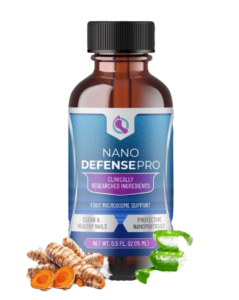
Pros: High-tech nanotechnology; excellent for nail and skin health.
-
Cons: Premium pricing; takes 2-4 weeks for visible results.
4. Magnesium Breakthrough
-
Pros: Contains all 7 forms of magnesium; helps with sleep and anxiety.
-
Cons: Multiple capsules per serving; larger bottle size.
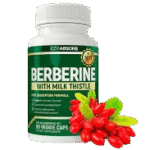
5. Berberine
-
Pros: Natural metabolic support; high-purity extract.
-
Cons: Can cause mild stomach upset initially; interacts with some meds.
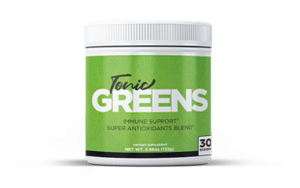
6. Tonic Greens
-
Pros: 57 superfood ingredients; tastes great for a green drink.
-
Cons: Must be kept in a cool, dry place; scoop size is large.
7. FlowForce Max
-
Pros: Chewable candy form; targets prostate and energy specifically.
-
Cons: Sugar-free but has natural sweeteners; limited bulk discounts.
8. SeriSkin
-
Pros: Works during the “beauty sleep” cycle; hydrates skin deeply.
-
Cons: Requires a full 8 hours of sleep for best effect; glass bottle.
9. Vital Force
-
Pros: Holistic energy blend; no “caffeine crash.”
-
Cons: Not suitable for late-night consumption; 2-capsule serving.
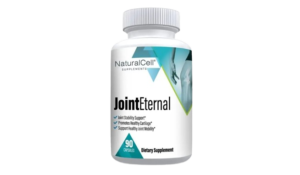
10. Joint Eternal
-
Pros: Supports collagen production; reduces morning stiffness.
-
Cons: Not vegan-friendly (contains collagen); larger pills.
11. Emperor’s Vigor Tonic
-
Pros: Traditional herbal wisdom; supports circulation.
-
Cons: Rare ingredients mean limited supply and specific timing for dosage.
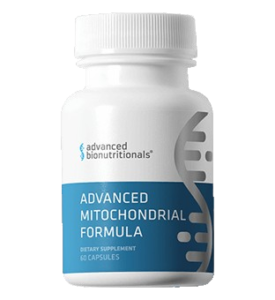
12. Advanced Mitochondrial
-
Pros: Targets energy at the cell level; good for “brain fog.”
-
Cons: Can be expensive; best results seen after 60 days.
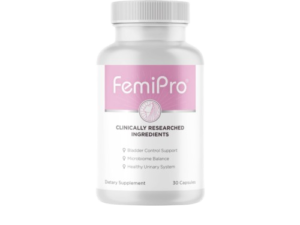
13. Femipro
-
Pros: Balanced for female hormones; supports urinary health.
-
Cons: Specifically for women only; slow shipping to some regions.
14. Primebiome
-
Pros: Rebalances gut bacteria; helps with digestive bloating.
-
Cons: Needs refrigeration after opening; powerful formula.
The 2026 Vitality Deep Dive: Why These Pillars Matter
As we navigate the mid-2020s, the science of wellness has moved from “general health” to “molecular specificity.” The Oral Microbiome Revolution (ProDentim): uses 3.5 billion probiotic strains to repopulate the mouth, supporting not just teeth, but respiratory health and immunity. Metabolic Stability (Sugar Defender & Berberine): help prevent the “afternoon crash” by smoothing out glucose spikes, allowing for steady, all-day cognitive focus. Physical Performance (Emperor’s Vigor & FlowForce Max): ensure that physical stamina remains high regardless of age through nitric oxide production. Hormonal Harmony (Femipro & Seriskin): rebuild beauty from the inside out, addressing volume loss and collagen by boosting natural hydration. Finally, The Gut-Brain Axis (Primebiome): supports the production of neurotransmitters like serotonin, responsible for mood and drive.
Our Quality & Security Guarantee
Safety & Transparency Note: All products in the WMKORMO 2026 Catalogue are sourced from verified manufacturers via Digistore24 and ClickBank. Ingredients are tracked from farm to capsule, ensuring “2026 Clean Label” standards: Zero Synthetic Fillers, Verified Sourcing, and Third-Party Testing. Every purchase is protected by an official 60-day money-back guarantee. We use secure 307 redirects to ensure your browsing experience remains safe and transparent.